





Transforming apartments for rent downtown Albany's rooftops into gardens offers aesthetic appeal, sustainability, and practical benefits. Key steps include assessing sun exposure, ensuring roof stability, choosing suitable irrigation methods, preparing well-draining soil, selecting plants adapted to elevated settings, and integrating native species and vertical gardening techniques. These initiatives enhance urban living, promote biodiversity, mitigate environmental impacts, and contribute to Albany's broader sustainability efforts.
Rooftop gardens are transforming urban landscapes, particularly in bustling downtown areas like Albany. As the demand for Apartments for rent downtown Albany grows, developers and residents alike recognize the untapped potential of these underutilized spaces. Embracing nature in an urban setting offers a respite from concrete jungles, promoting well-being and community engagement. However, implementing successful rooftop gardens requires careful planning to address challenges like structural integrity, irrigation, and maintaining a harmonious balance with city life. This article delves into the art and science of cultivating vibrant rooftop oases that enhance living environments while contributing to the sustainability of our cities.
- Planning Your Rooftop Garden: Essential Steps for Success
- Design Ideas for Stunning Downtown Albany Rooftops
- Choosing the Right Plants: A Guide for Apartments with Views
- Sustainable Practices: Greening Your Urban Oasis
Planning Your Rooftop Garden: Essential Steps for Success
Creating a rooftop garden on your apartment balcony can transform your urban living space into a vibrant oasis—a refreshing retreat amidst the hustle and bustle of downtown Albany. Whether you’re looking for a serene spot to unwind after work or aiming to enhance the appeal of your bachelor suite near Empire State Plaza, planning is key to a successful rooftop garden. This guide offers essential steps to help you maximize your urban farming experience, even in limited spaces like apartments for rent downtown Albany.
Start by assessing your balcony’s dimensions and sun exposure. Rooftop gardens thrive on ample sunlight, so choose plants suited to your space and light conditions. For instance, if your balcony primarily faces north or is partially shaded, opt for shade-tolerant varieties like hostas, ferns, or certain types of succulents. Consider the structural integrity of your roof as well; not all roofing materials are suitable for gardening weight, so consult a professional before adding any substantial structures.
Water accessibility is another crucial aspect. While drip irrigation systems are efficient, they may not be practical in all situations, especially if you’re considering short-term sublets on the riverfront. In such cases, self-watering containers or raised beds with built-in drainage can make maintenance easier. Additionally, keep an eye out for affordable housing near downtown Albany that includes roof access and established garden plots to save on setup costs.
Soil preparation is vital for a thriving rooftop garden. Use a high-quality potting mix that drains well to prevent waterlogging, a common issue in elevated spaces. Incorporate organic matter like compost to enhance fertility, and don’t forget to choose plants adapted to container growing—this ensures they’ll thrive within the confines of your balcony oasis.
Design Ideas for Stunning Downtown Albany Rooftops
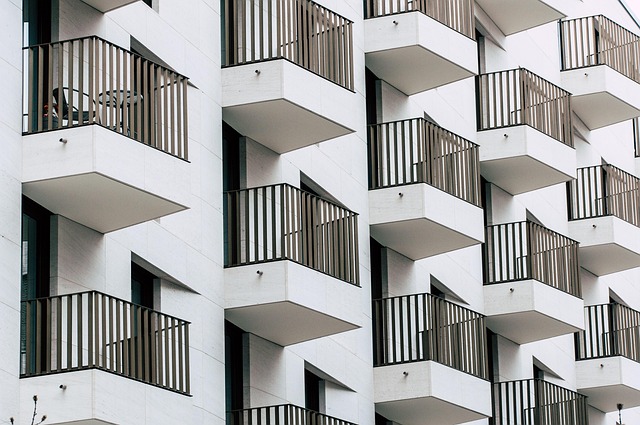
Rooftops offer a unique canvas for transforming urban spaces into lush oases, especially in vibrant cities like downtown Albany. For those seeking affordable luxury, a rooftop garden can elevate living standards, providing a serene retreat amidst the city’s hustle and bustle. The design possibilities are vast, from modern contemporary to rustic charm, catering to diverse tastes and lifestyles. One might envision a pet-friendly loft adorned with industrial accents, featuring a sprawling green space where residents can unwind after work or socialize with four-legged companions. Apartments for rent downtown Albany naturally cater to this desire for urban living coupled with natural beauty.
Designing a rooftop garden requires careful consideration of the available space and structural integrity. For smaller areas, vertical gardening techniques excel, employing cascading plants and modular systems to maximize coverage without overwhelming the roof’s load-bearing capacity. Incorporating native plant species not only reduces water usage but also attracts local wildlife, creating a biodiversity hotspot in an otherwise concrete jungle. Imagine a bachelor suite near Empire State Plaza adorned with succulents and native wildflowers, offering residents a private sanctuary with a view.
Sustainability is paramount when crafting these urban oases. Implementing rainwater harvesting systems and using eco-friendly materials are essential steps towards making rooftop gardens self-sustaining and environmentally friendly. Additionally, incorporating solar panels or LED lighting can reduce energy consumption, making these features both practical and aesthetically pleasing. The result is a space that not only enhances the beauty of downtown Albany but also contributes to a greener, more sustainable future for the city.
Choosing the Right Plants: A Guide for Apartments with Views
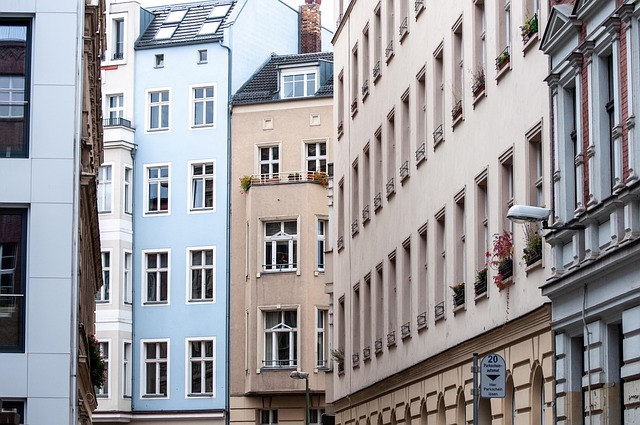
Transforming your rooftop into a lush oasis is an exciting way to enhance your urban living experience, especially when you’re fortunate enough to have breathtaking cityscape views from apartments for rent downtown Albany or cozy studios minutes from Times Union. For residents of condos with views in central business districts or affordable studios nestled in historic Albany districts, cultivating a vibrant garden offers both aesthetic appeal and practical benefits. However, selecting the right plants is paramount to ensure your rooftop sanctuary thrives, especially in varying microclimates across these diverse neighborhoods.
The key to successful planting lies in understanding your specific environment—light exposure, temperature fluctuations, and wind patterns unique to each district. For instance, south-facing rooftops in central Albany benefit from ample sunlight, making them ideal for sun-loving perennials like daylilies (Hemerocallis) and black-eyed Susans (Rudbeckia). Conversely, north-facing spaces may require shade-tolerant varieties such as hostas and astilbe. If your apartment is in a historic district known for its cooler summers, consider hardy plants that can withstand lower temperatures, like pachysandra (Pachysandra terminalis) or Japanese holly (Ilex crispula).
Water management is another critical aspect. Rooftops often experience rapid drainage, so choosing drought-tolerant varieties minimizes maintenance. Sedums and succulents, for example, are excellent choices for water-efficient gardens. Additionally, containers allow for more control over soil composition and irrigation, making them suitable for both small spaces and areas with varying moisture levels. When selecting plants, consider local, native species that attract beneficial insects and birds, enhancing your rooftop’s biodiversity. Local nurseries and gardening communities can offer expert advice tailored to these unique Albany settings, ensuring your garden not only thrives but also contributes positively to the urban ecosystem.
Sustainable Practices: Greening Your Urban Oasis
Rooftop gardens have emerged as a sustainable and aesthetic solution for urban living, transforming apartment communities into vibrant oases amidst the concrete jungle. In downtown Albany, apartments for rent offer more than just a place to live; they provide residents with the opportunity to contribute to local sustainability efforts. By incorporating green spaces on rooftops, these apartment communities create diverse ecosystems that support local wildlife and improve air quality. For instance, some leading apartment communities in Albany have implemented rain gardens, vertical gardens, and even small urban farms, showcasing innovative budget-friendly homes city centre solutions.
One of the key benefits of rooftop gardening is its ability to mitigate the urban heat island effect. Traditional concrete and asphalt surfaces absorb and retain heat, increasing temperatures in urban areas. Green roofs, however, act as natural insulators, cooling down the surrounding environment. This effect is particularly significant for downtown living, where high-rise buildings can create microclimates that impact nearby residential areas. Moreover, these gardens help manage stormwater runoff by absorbing excess water during heavy rains, reducing the strain on city drainage systems.
Sustainable practices in rooftop gardening also extend to water conservation and waste reduction. Implementing drip irrigation systems and using native plant species, which require less water, can significantly lower water consumption. Additionally, compost bins integrated into these spaces divert organic waste from landfills, fostering a circular economy within the community. Residents of these apartment communities with on-site amenities can actively participate in these sustainability initiatives, creating a greener and healthier urban environment. For those seeking inexpensive downtown living options, these eco-friendly features not only enhance the quality of life but also contribute to Albany’s broader efforts to promote sustainable city living.
Transforming your rooftop into a vibrant garden is not just an aesthetic choice; it’s a strategic decision to enhance your urban living experience, especially in Apartments for rent downtown Albany. This article has equipped readers with essential tools for planning, designing, and maintaining rooftop gardens. By prioritizing sustainable practices, understanding plant compatibility, and embracing creative design ideas, residents can turn their rooftops into green oases that not only elevate their homes but also contribute to a healthier, more environmentally conscious community. The key insights gathered from each section serve as a comprehensive guide for anyone looking to unlock the full potential of their downtown Albany rooftop.